
About Siding Replacement Lewiston
Framing and trim from 1986, weekend siding by 1998, and nothing but siding from 2009.
Eric Ouellette grew up in Lewiston, lives across the river in Auburn and runs our work from the Main Street office downtown. No price leaves that office until he has walked the house and pressed on its walls, and siding, from a full re-side to one repair, is the only work we take on.
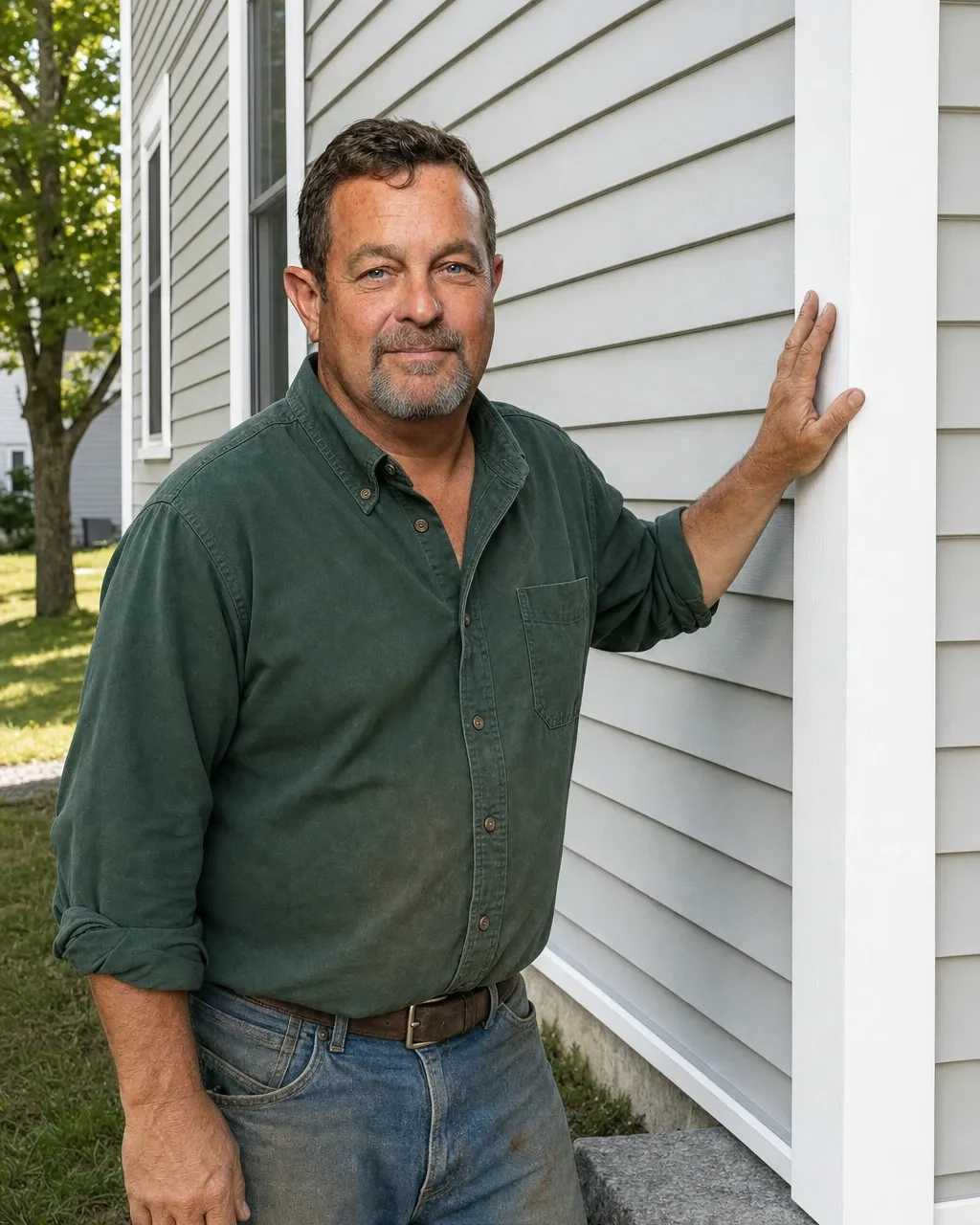
Eric Ouellette
Owner, Siding Replacement Lewiston
- Siding only, start to finish
- Free estimate requests
- 22 towns around Lewiston-Auburn
Where Did Eric Ouellette Learn to Read a Wall?
Eric Ouellette learned to read a wall on framing and trim crews, starting in 1986, after growing up a few streets from the Lewiston mills where his grandfather had worked. Every porch or addition he framed began the same way, with a saw cut into an old wall so the new work could tie in.
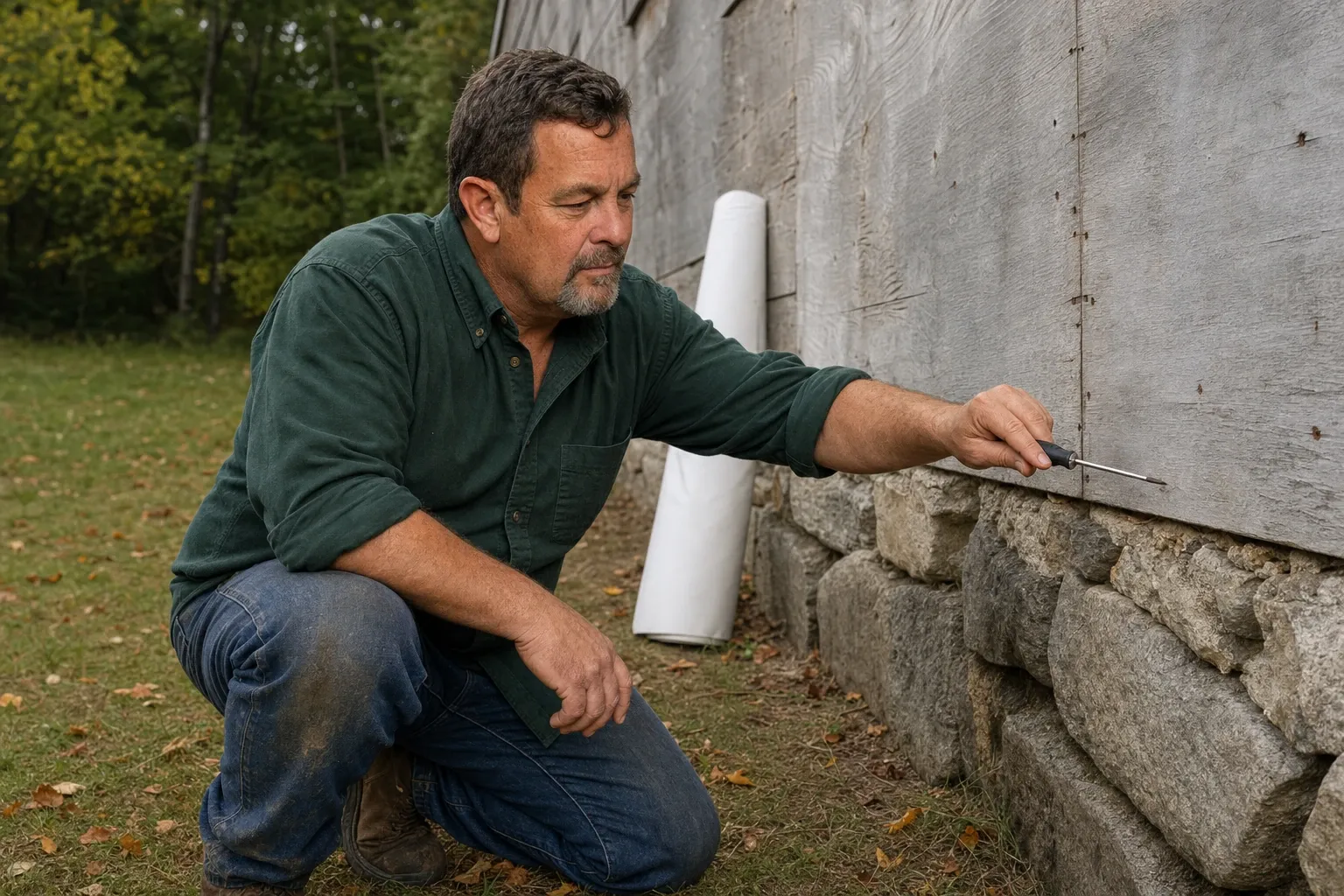
Once those walls were open, the damage was easy to map: water had been working in behind the siding for years. The soft wood sat at the sills, at the outside corners and under the window heads, the same three places he presses on today.
That pattern is why a house can look fine from the sidewalk and still be soft where the wall meets the foundation. Eric learned early that the street view says very little about the sheathing.
Why Did Eric Give Up Framing for Siding?
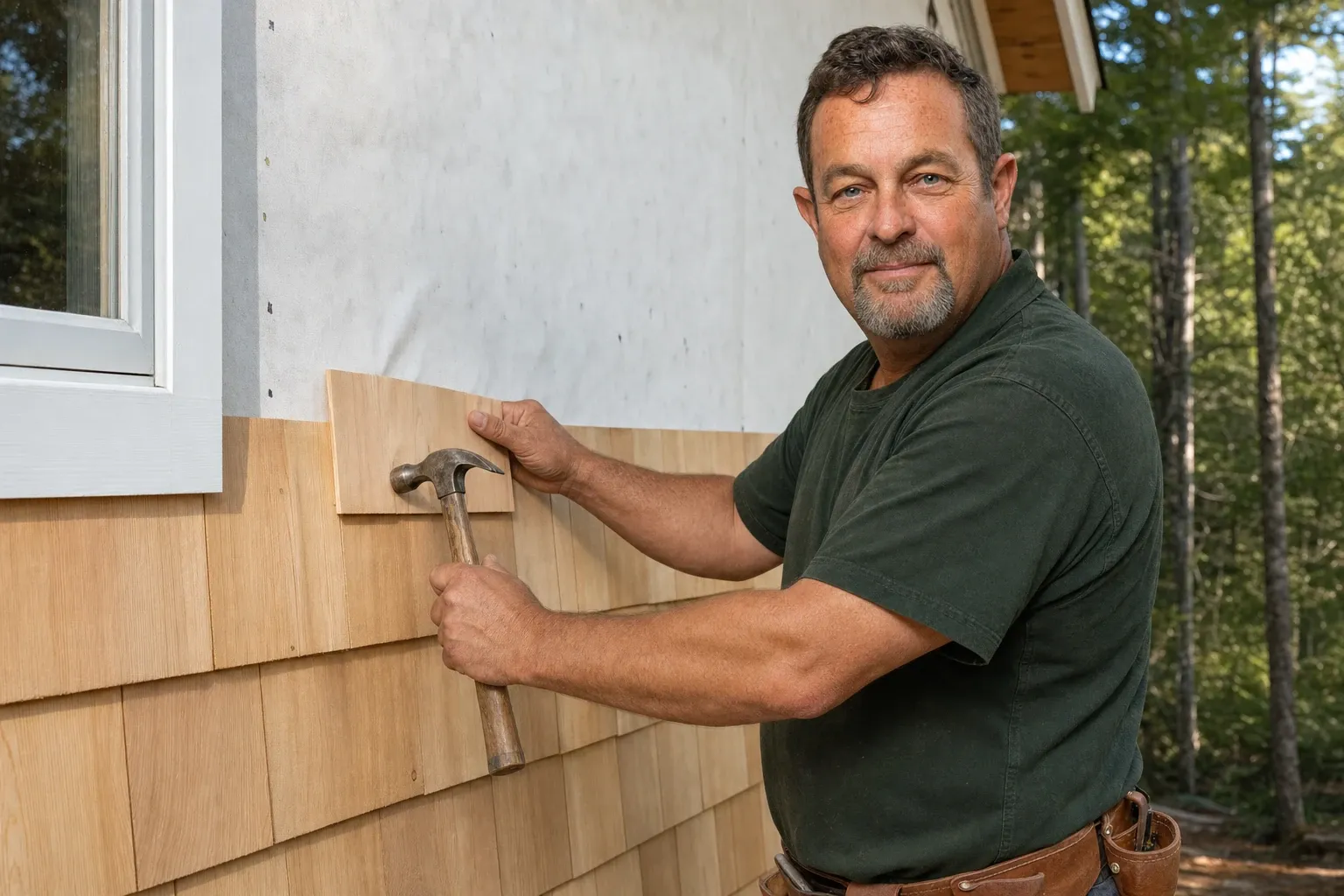
Eric gave up framing for siding because the skin of a house is what keeps its frame dry, and he wanted to be the one getting that skin right. In 1998 he started hanging vinyl and laying cedar shingles on weekends while he kept framing during the week.
By 2009 the weekend work had turned into the full-time work, and the framing crews were behind him. Each wall he takes on now is his from the first sheathing check to the final cut of trim.
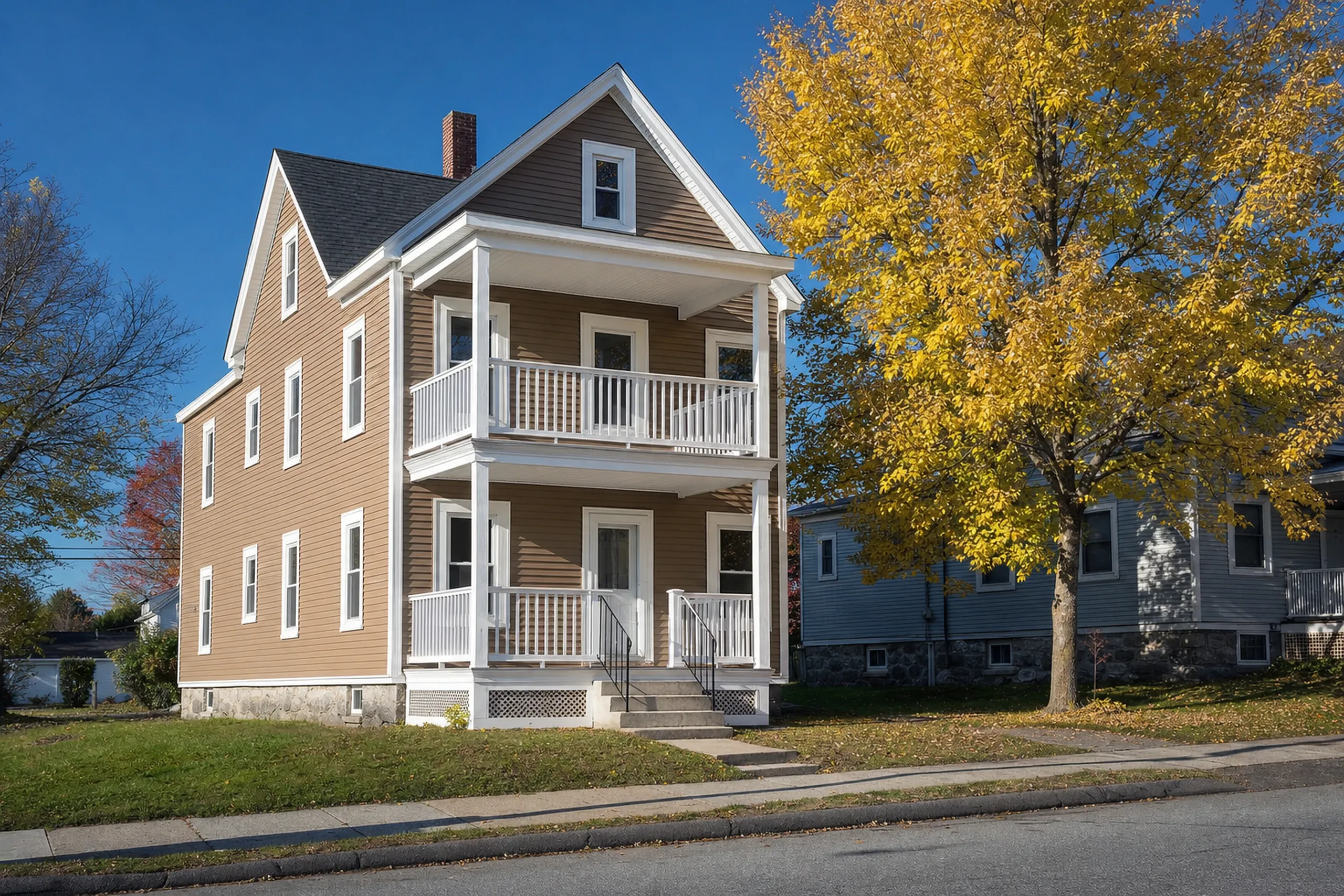
Working on walls alone sharpens what he checks first. On a tight downtown lot, the first question is how to stage a three-story wall, and on a postwar cape out past the city center, it is what the old aluminum has been covering.
What Will You Hear From Us Before a Wall Is Opened?
Before a wall is opened, you hear from us what we expect behind the old siding and what we would do about each problem. If the sills and window heads hold firm under Eric's screwdriver, you hear that as well, and the price assumes a sound wall.
When a spot gives way, the written price explains how the soft sheathing or sill gets repaired once that wall is open. Rotted wood is cut out and replaced, and new siding never goes over it.
Some old siding is better left on the house, and cement-asbestos shingles are the common case: covering them with new siding is often the lower-cost route. On a house built before 1978 we ask about the paint on the first visit, since the EPA lead-safe renovation rule governs any work that disturbs it.
How Do We Put a Price on New Siding?
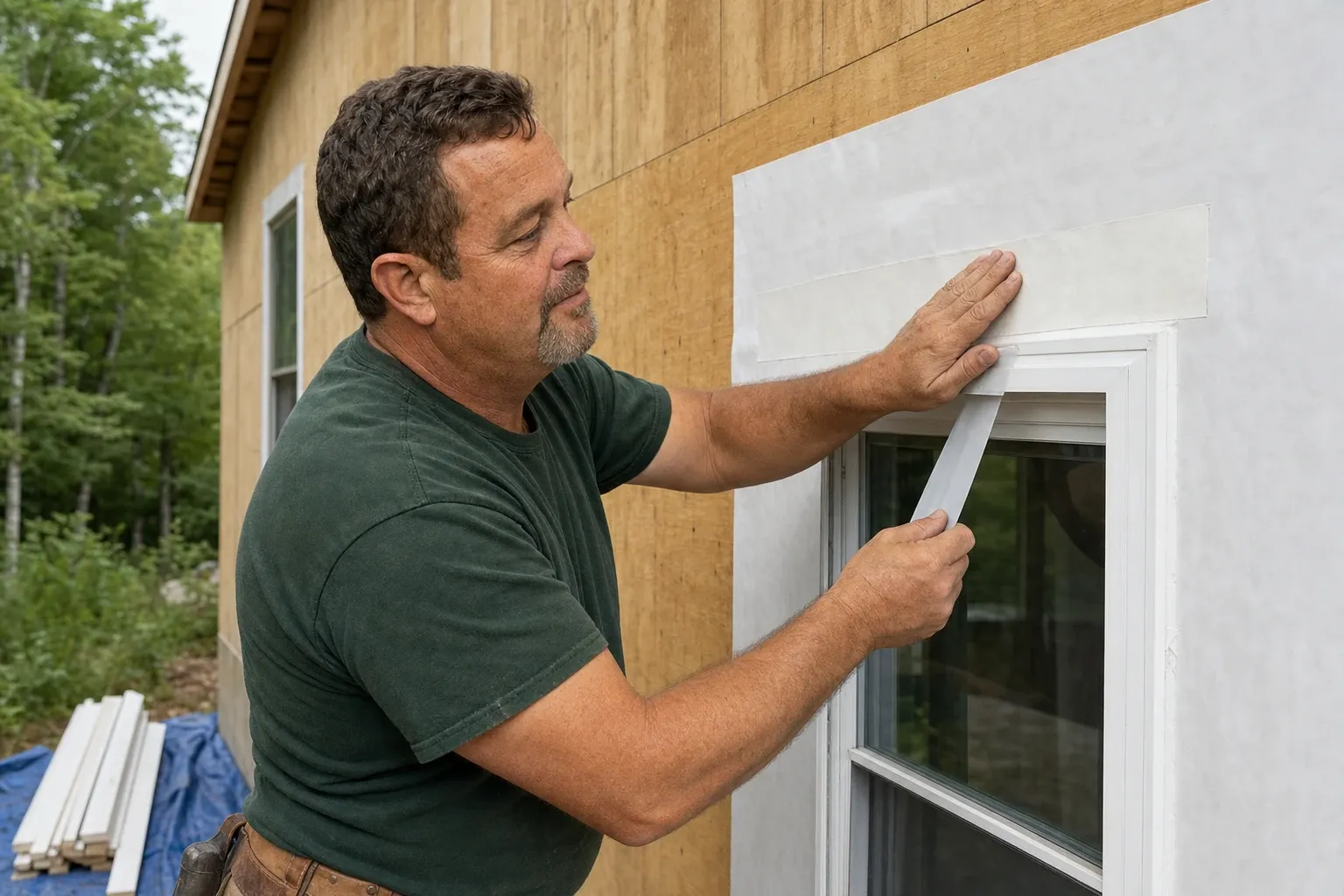
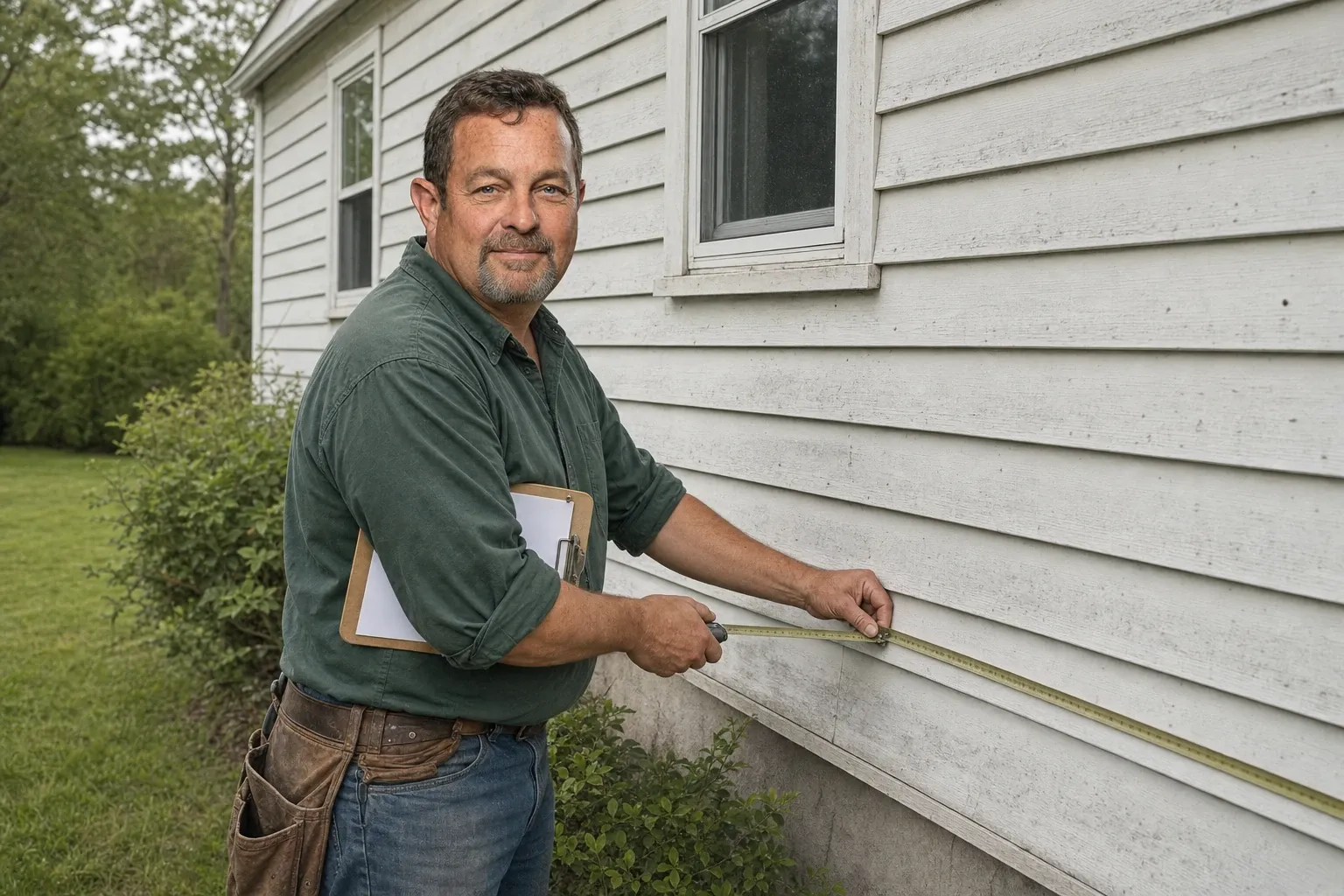
New siding is priced by the square, which is 100 square feet of wall, and we get those squares by measuring each side of your house in person. The number of stories, every window and door, and the length of trim and corner boards all go on the measuring sheet.
The written price breaks out the tear-off and haul-away, the housewrap, the flashing at each opening, the new siding and the trim. Rot repair is spelled out there as well, with the way it will be charged, so that number exists before the first wall comes open.
The per-square ranges on our pages are averages across many quotes, and none of them was worked out for your house. Your own figure comes from your own walls, and no siding is ordered until the contract is signed.
What Should a Lewiston Homeowner Check Before Hiring Us?
Siding is all we do. We handle vinyl siding replacement, LP SmartSide, James Hardie fiber cement, cedar shingles and siding repair; roofs, windows, gutters, decks and new houses go to other trades.
No state license exists for this trade, because Maine does not license general contractors. What Lewiston does set is its own review: a designated historic house, or one that contributes to a local historic district, needs a Certificate of Appropriateness from the Historic Preservation Review Board before its siding material changes, ahead of any building permit.
Every number goes on paper first. Maine's home construction contract law puts any job over $3,000 on a written contract that both of us sign, with a copy for each of us before work begins and a first payment of no more than one third of the price.
What Happens Between the First Visit and the Walkaround?
Between the first visit and the final walkaround, the work moves one wall at a time, so the house is never open on every side at once. Where a permit is needed we file for it, in Lewiston through Planning and Code Enforcement, and approval always stays the town's decision.
Each wall follows one order: tear-off, a hand check of the sheathing, repairs where it is soft, housewrap lapped so water runs out and down, flashing at every opening, then siding and trim. The next wall stays closed until that one is finished, and the old siding leaves with each wall as it is done.
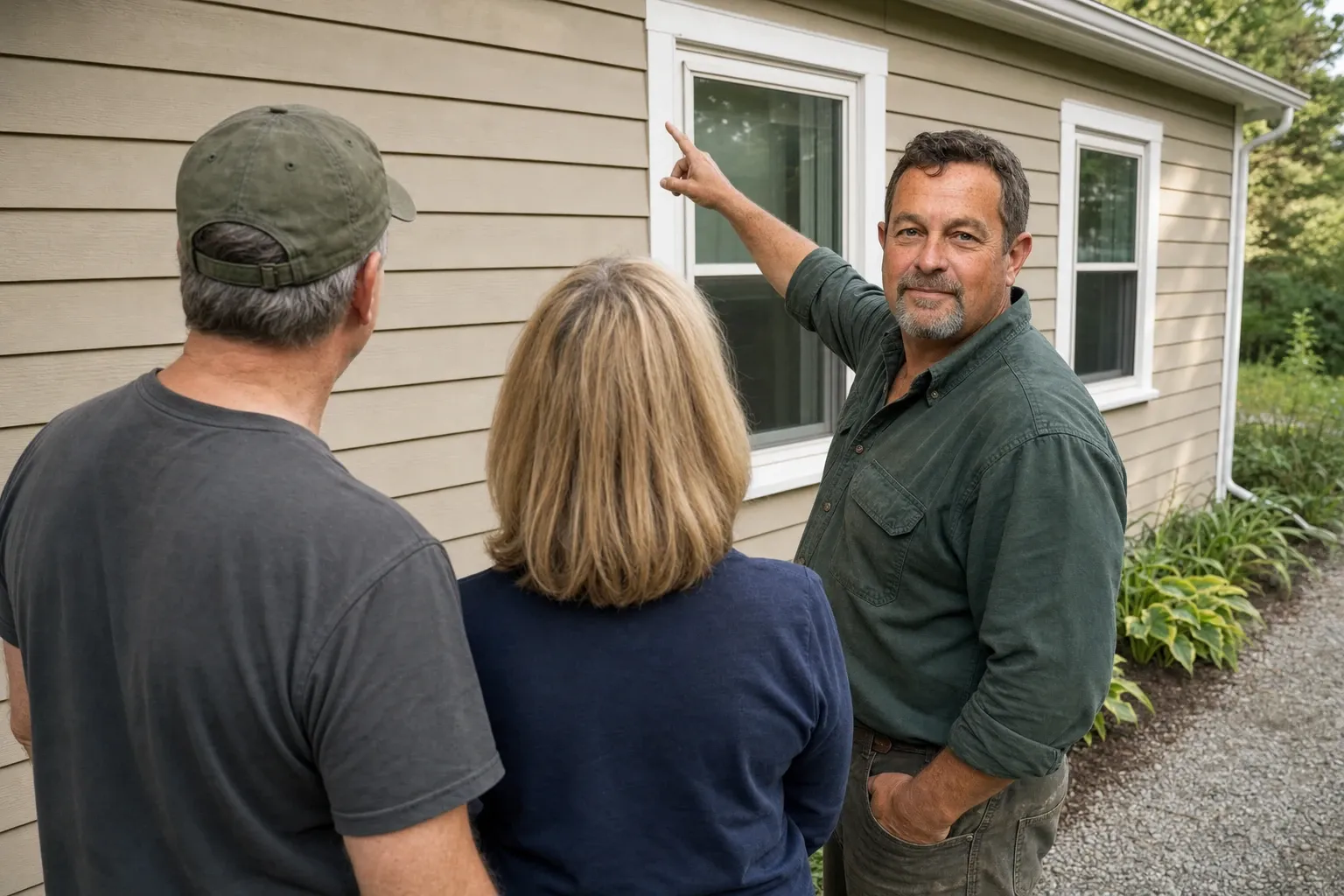
The job ends with a walkaround at your side, where Eric shows you the details that keep water out, such as the kick-out flashing where a roof edge meets a wall. Anything that looks wrong to you gets talked through right there, before the crew packs up.
When Can Eric Walk Your Walls?
Send us the town, the age of the house if you know it and what covers the walls now. Eric will set a time to walk the house with you, then put the price per square in writing.