
Experienced Hardie Siding | Siding Replacement Lewiston
Hardie siding is fiber cement lap board made by James Hardie, and we install it on houses in the Lewiston-Auburn area exactly as its instructions read: blind-nailed, flashed behind every joint and held clear of roofs, decks and soil. It averages $1,300 to $1,600 per square, and we say so before a nail comes out of your old siding.
- (207) 515-8586
- 217 Main St, 2nd Floor, Lewiston
- [email protected]
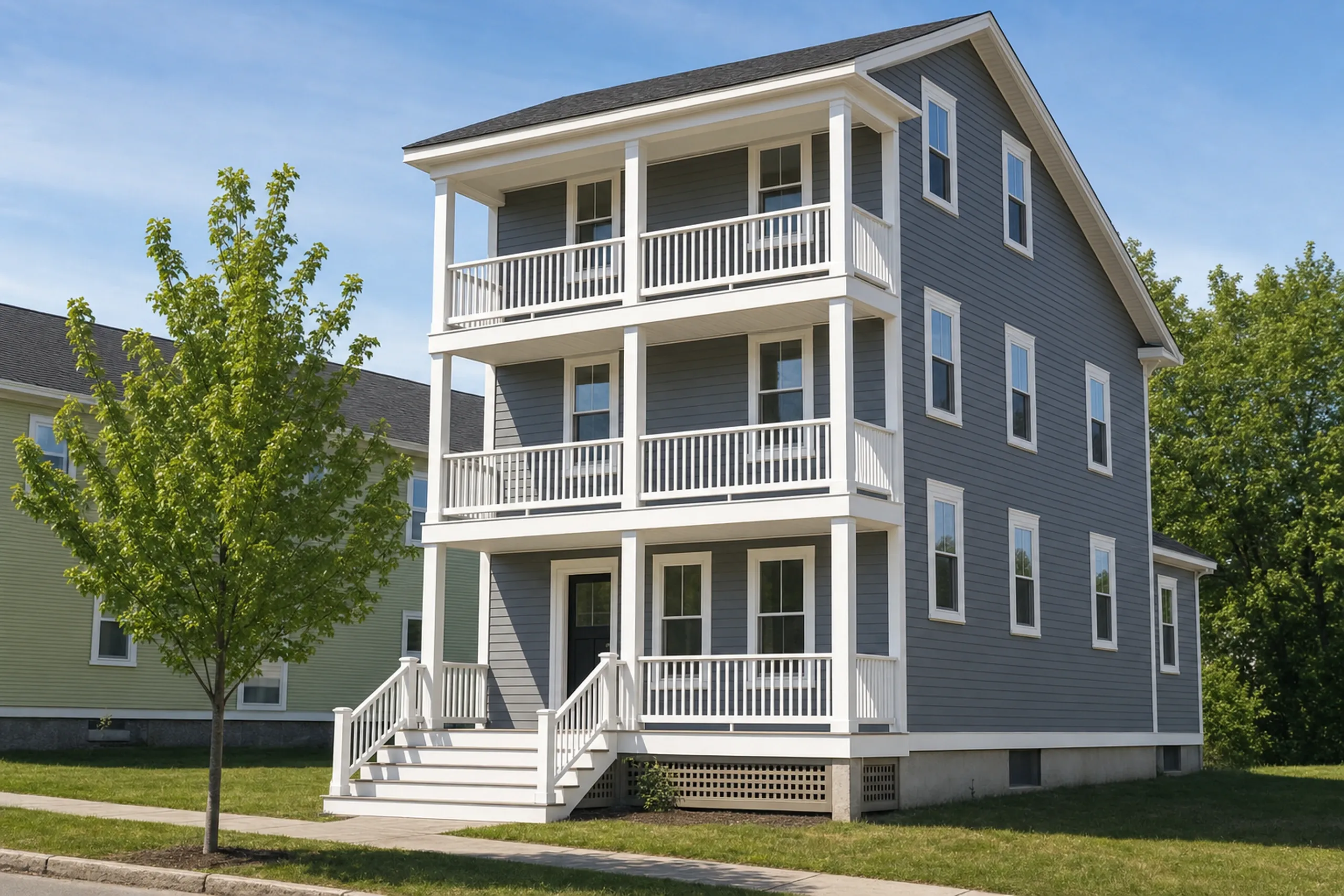
- Siding only, start to finish
- Free estimate requests
- 22 towns around Lewiston-Auburn
- Hung to Hardie's written instructions
- Flashing behind every butt joint
- Every plank cut outdoors, dust collected
This page explains how we re-side houses across the Lewiston-Auburn area in James Hardie fiber cement: old siding off, sheathing checked, a new water-resistive barrier, flashing at every opening and butt joint, then HardiePlank boards in a factory color or primed for paint.
A fiber cement board is only as good as the wall behind it. James Hardie's own warranty leaves out water infiltration and work done against its instructions, so we hold to those instructions on nailing, clearances and flashing, and we cut outdoors with dust collection.
Budget by the square: across many quotes in the area, Hardie averages $1,300 to $1,600 for each 100 square feet of wall, more than LP SmartSide and less than cedar shingles.
Why Do We Follow Hardie's Instructions to the Letter?
We follow Hardie's instructions to the letter because James Hardie's warranty lists failure to follow its published installation instructions among its exclusions, beside water infiltration. When a fiber cement wall gaps or leaks, the cause is usually how it was hung, so we check these three details on every wall.
- Blind nails 3/4 to 1 inch below each plank's top edge, galvanized or stainless, never closer than 3/8 inch to an end
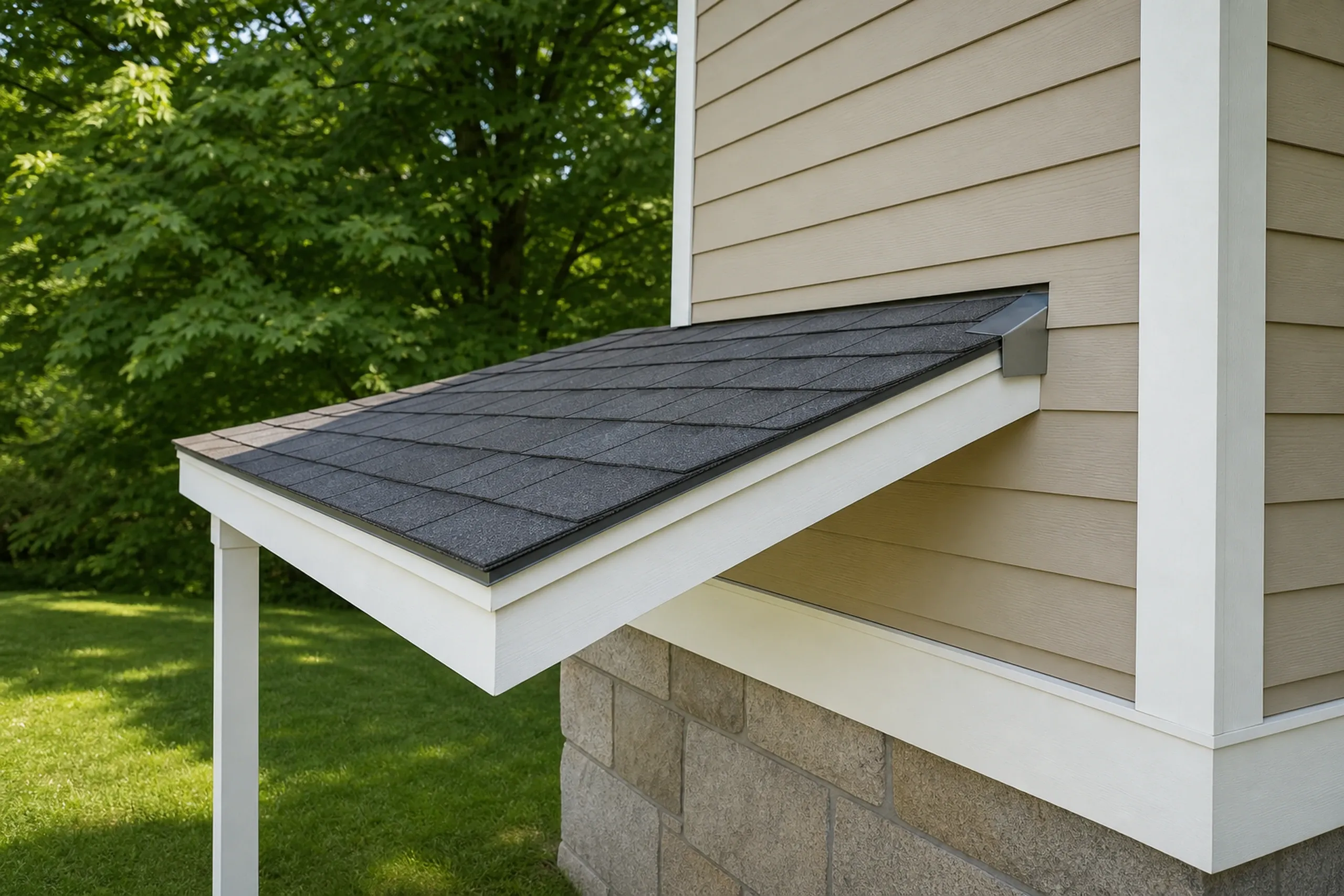
- Siding held 6 inches above grade and 2 inches above roofs, decks, steps and paths, per Hardie's Quick Start guide
- A 6-inch joint flashing behind every butt joint, lapping the course below by 1 inch, and no caulk at those joints, as Hardie directs
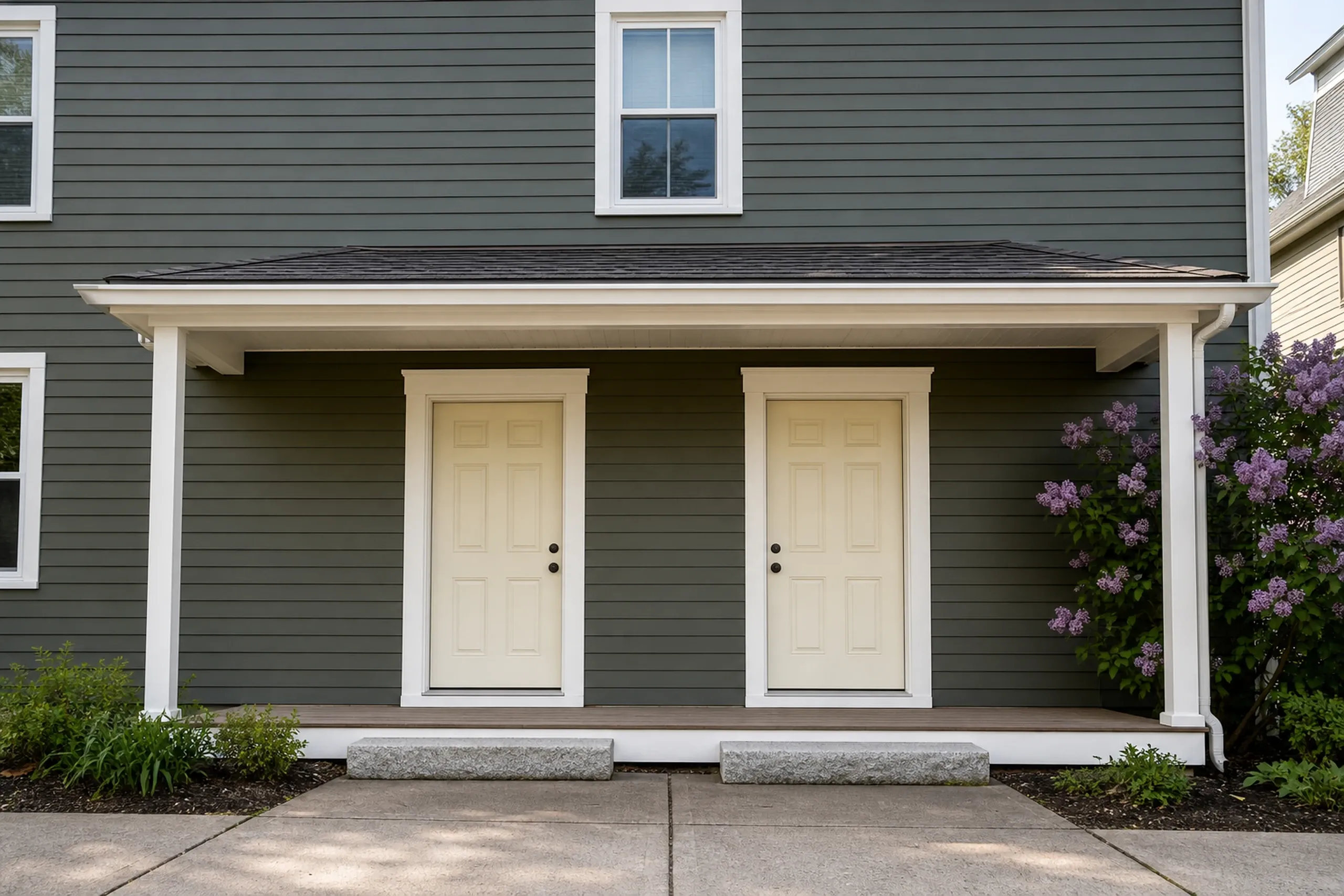
Which Other Sidings Should You Weigh Against Hardie?
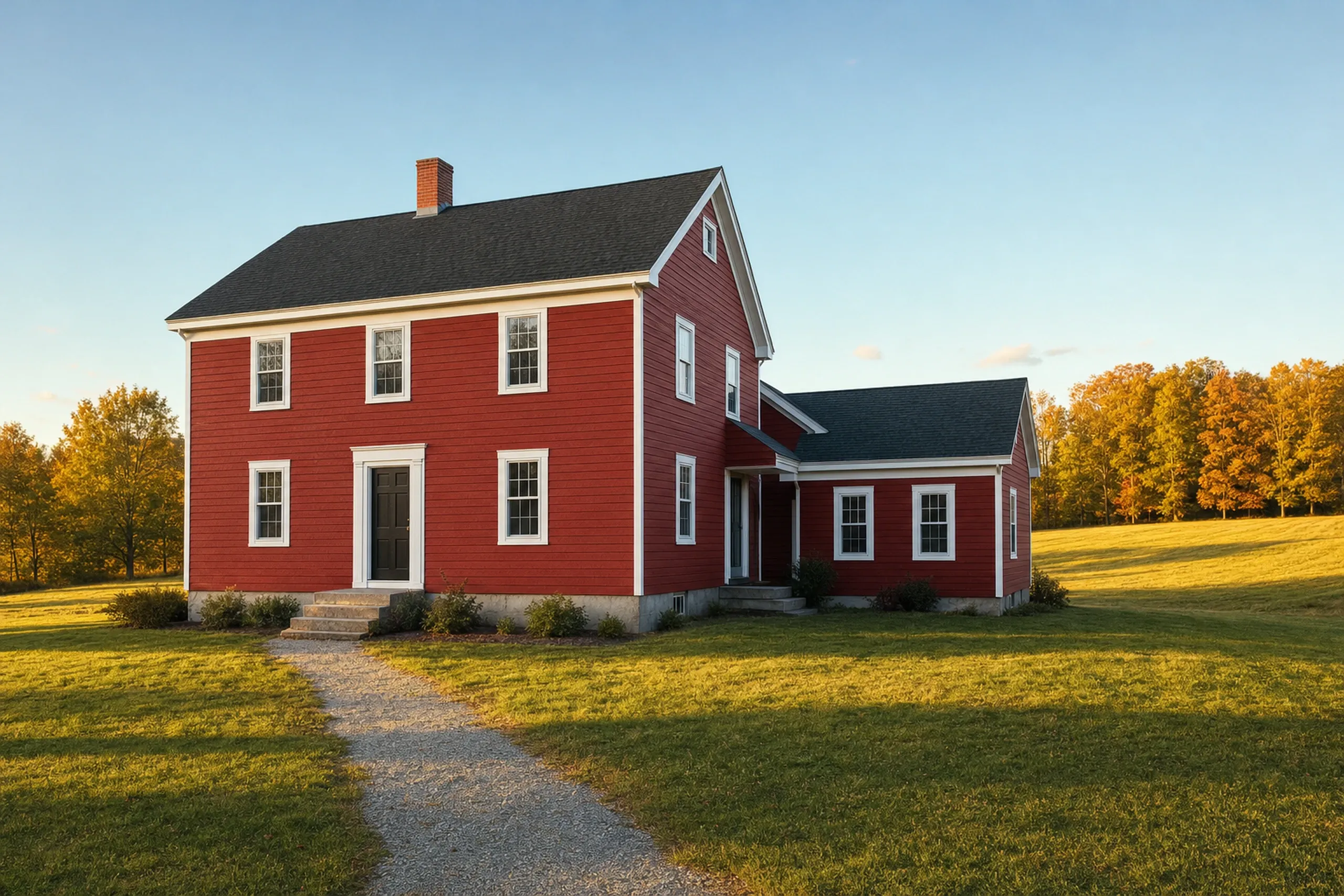 LP SidingEngineered wood boards that arrive primed and take paint like wood.See LP Siding
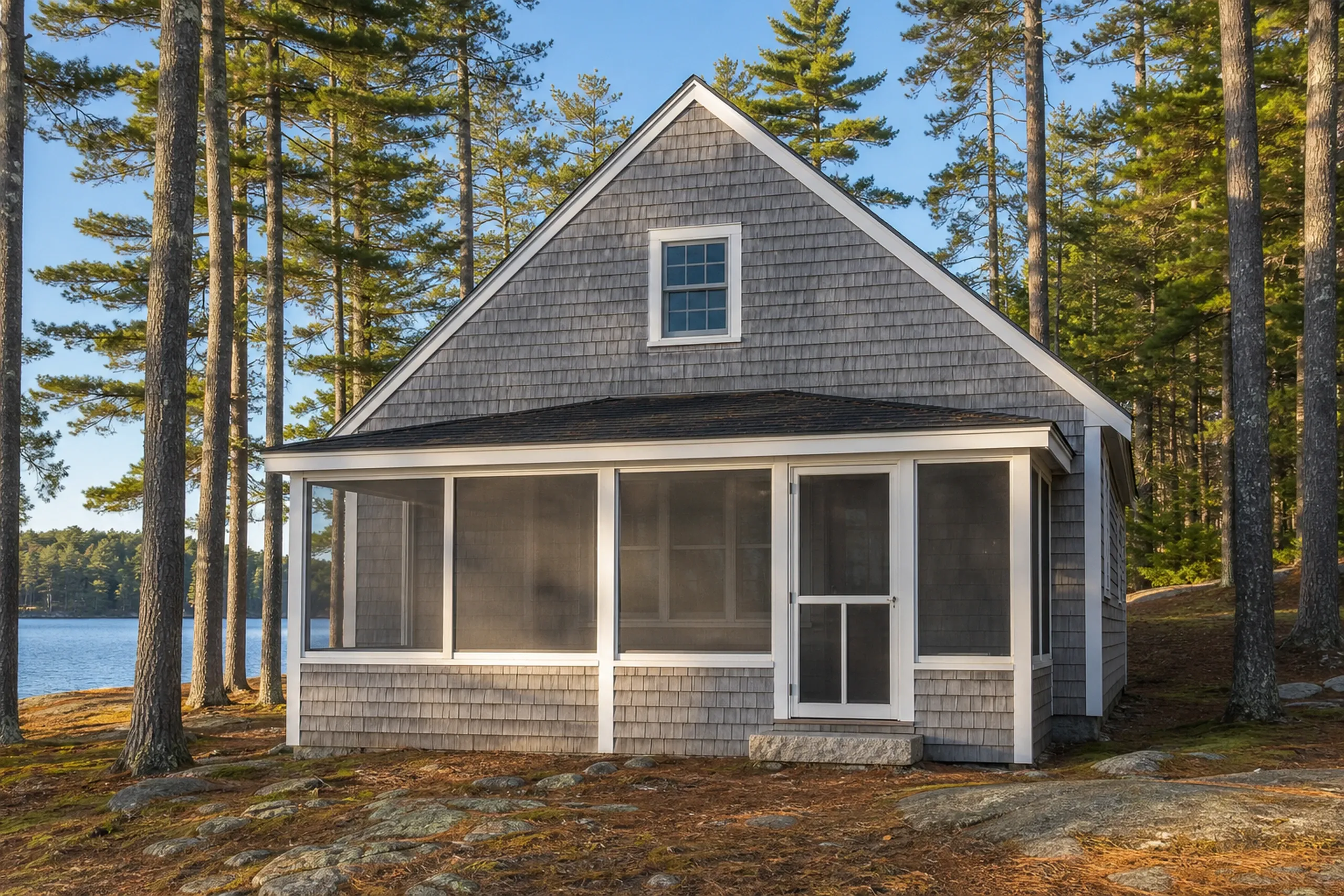 Cedar Shingle SidingThe shingled wall Maine is known for, laid course by course.See Cedar Shingle Siding
 Vinyl Siding ReplacementThe re-side most Maine houses get, priced by the square.See Vinyl Siding Replacement
Which Towns Do We Cover for Hardie Siding?
- AuburnME1 mi from Lewiston
- MinotME5 mi from Lewiston
- SabattusME5 mi from Lewiston
- GreeneME7 mi from Lewiston
- Mechanic FallsME9 mi from Lewiston
- PolandME9 mi from Lewiston
- WalesME9 mi from Lewiston
- DurhamME10 mi from Lewiston
- New GloucesterME10 mi from Lewiston
- LisbonME10 mi from Lewiston
- TurnerME11 mi from Lewiston
- HebronME12 mi from Lewiston
- BowdoinME13 mi from Lewiston
- MonmouthME13 mi from Lewiston
- LitchfieldME14 mi from Lewiston
- OxfordME14 mi from Lewiston
- PownalME14 mi from Lewiston
- LeedsME15 mi from Lewiston
- BuckfieldME15 mi from Lewiston
- OtisfieldME16 mi from Lewiston
- CascoME17 mi from Lewiston
What Does a Hardie Re-Side Involve on a Maine House?
A Hardie re-side on a Maine house comes down to the finish, the details behind each plank, and how fiber cement compares with other sidings.
ColorPlus, Primed and the Tradeoffs of Fiber Cement
James Hardie describes HardiePlank as a cellulose fiber-reinforced cement board and rates it noncombustible under ASTM E136, though paint on its face can still char. Its specification sheet lists a pass on the ASTM C1185 freeze-thaw test, which matters on a wall that wets and freezes all winter.
The finish is the first choice. ColorPlus boards carry color James Hardie says is baked on at the factory, backed by a 15-year limited warranty covering paint and labor, while primed boards take any color but need field paint in 100% acrylic.
We steer most owners toward ColorPlus, since a factory finish skips a separate paint crew and Hardie's warranty does not cover peeling of third-party paint. Primed earns its place when you want a shade ColorPlus does not offer here; Hardie says color availability varies by region.
Fiber cement still asks for care: James Hardie's care tips ask for a hose-and-soft-brush wash every 6 to 12 months, and no high-pressure washing.
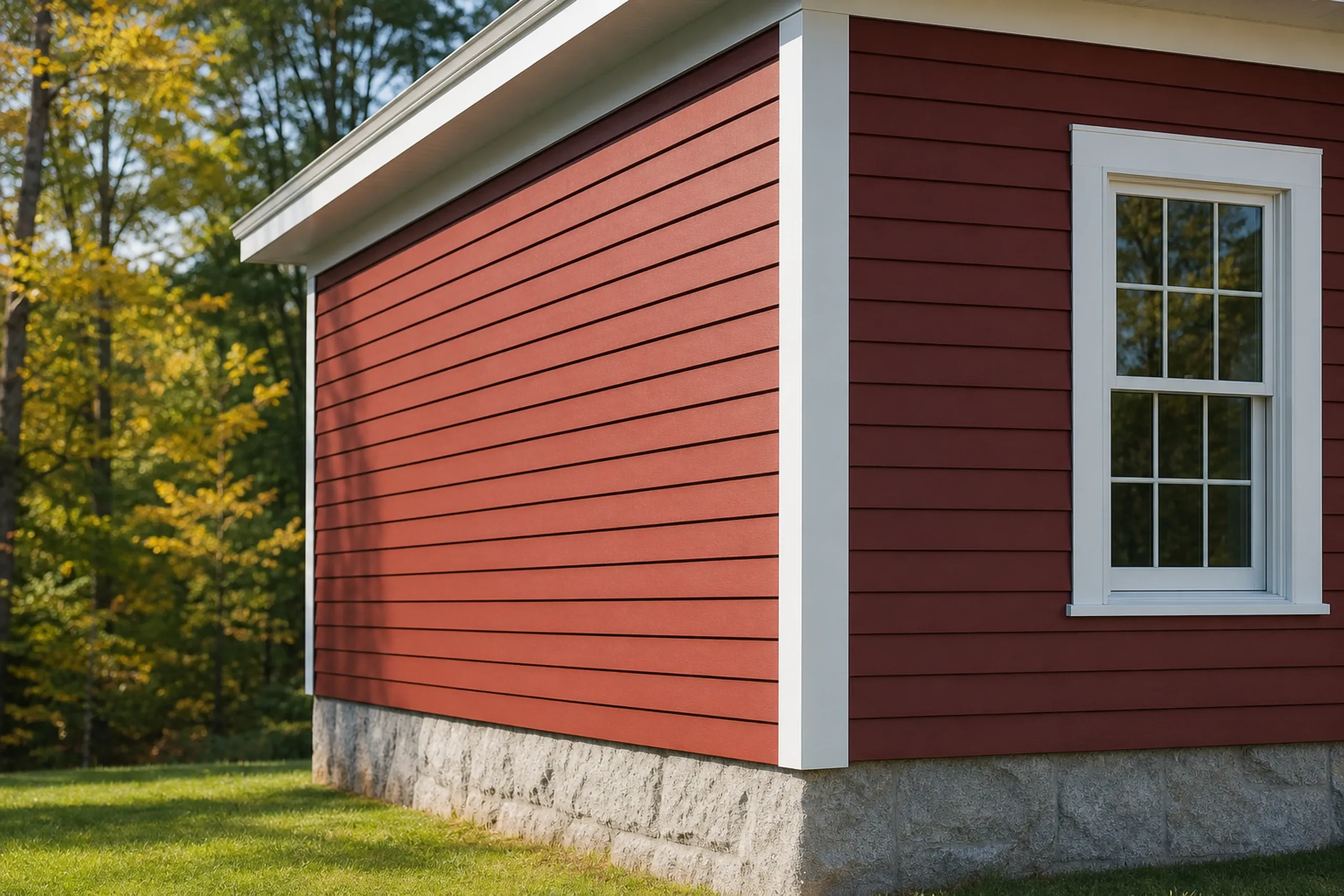
How We Hang Hardie for Freeze-Thaw and Driven Rain
James Hardie's state and ZIP list places every Maine ZIP code in its HZ5 line, which Hardie engineers for wet, freezing climates. We still confirm your ZIP on Hardie's zone lookup before ordering.
Behind the planks, a new water-resistive barrier is shingle-lapped with the flashing at every window and door, since Hardie's warranty excludes water infiltration and poorly built wall assemblies. Where a porch roof meets a sidewall, a kick-out flashing no smaller than 4 by 4 inches sends water to the gutter instead of down the wall.
Cutting happens outdoors on a saw with dust collection. OSHA warns that a handheld circular saw run through fiber cement can throw off respirable crystalline silica, which can permanently damage the lungs, so nothing is cut inside your house.
Hardie, LP, Vinyl or Cedar: Which Suits Your Walls?
Hardie averages $1,300 to $1,600 per square here, above LP SmartSide engineered wood at $1,200 to $1,500 and well above vinyl siding replacement at $800 to $1,000. Cedar shingle siding tops the four at about $2,000 per square.
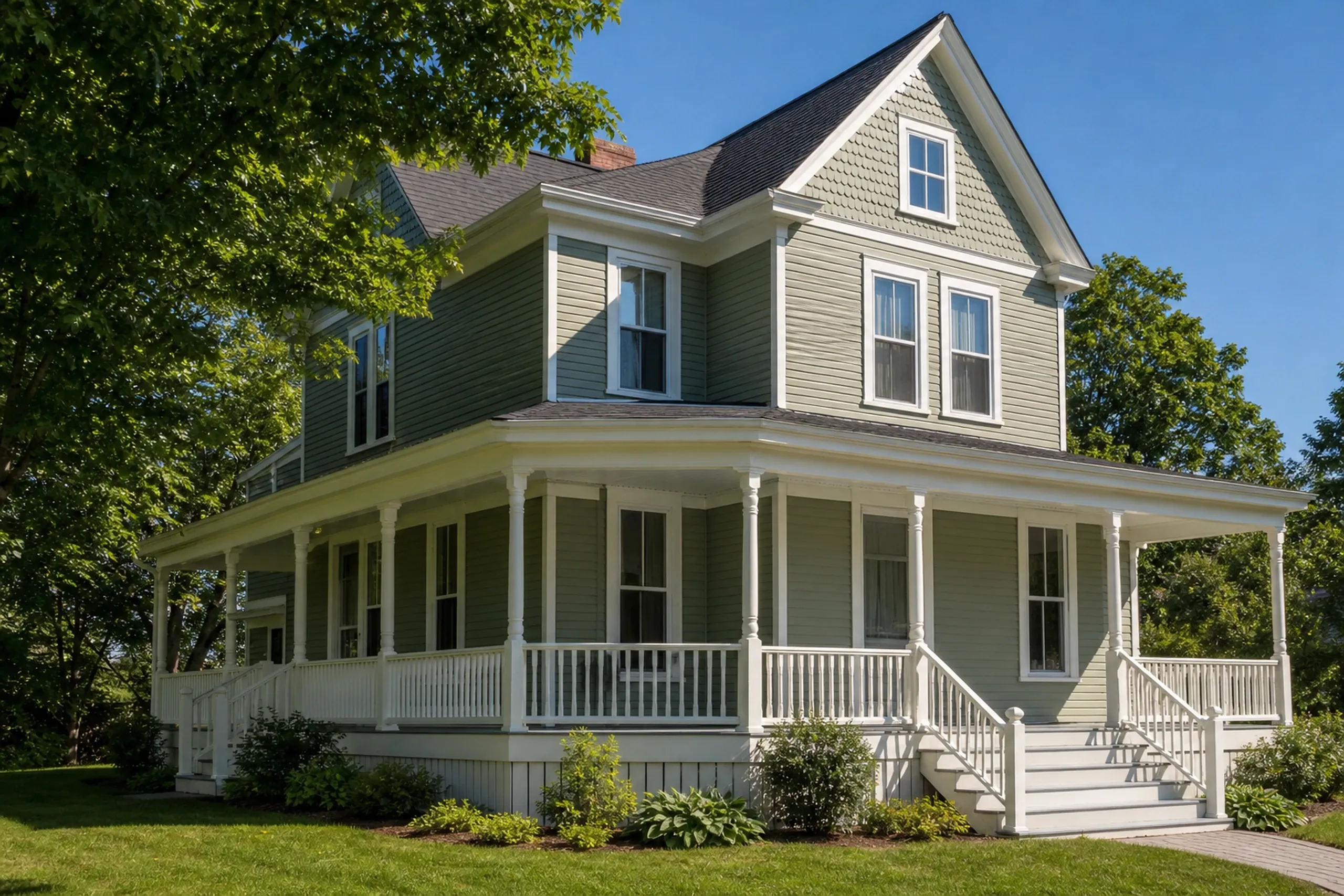
We recommend Hardie on houses you plan to keep, on walls that take wind-driven rain off a lake or an open field, and on triple-deckers and Victorians where a painted lap face suits the street. On a plain ranch where the budget leads, well-fastened vinyl usually makes more sense.
What Hardie Siding Services Do We Offer?
A Hardie job with us runs from stripping the old siding to touching up the last nail head.
On a house built before 1978, scraping or cutting old painted siding falls under the EPA rule for lead-safe renovation, and we plan the tear-off around it.
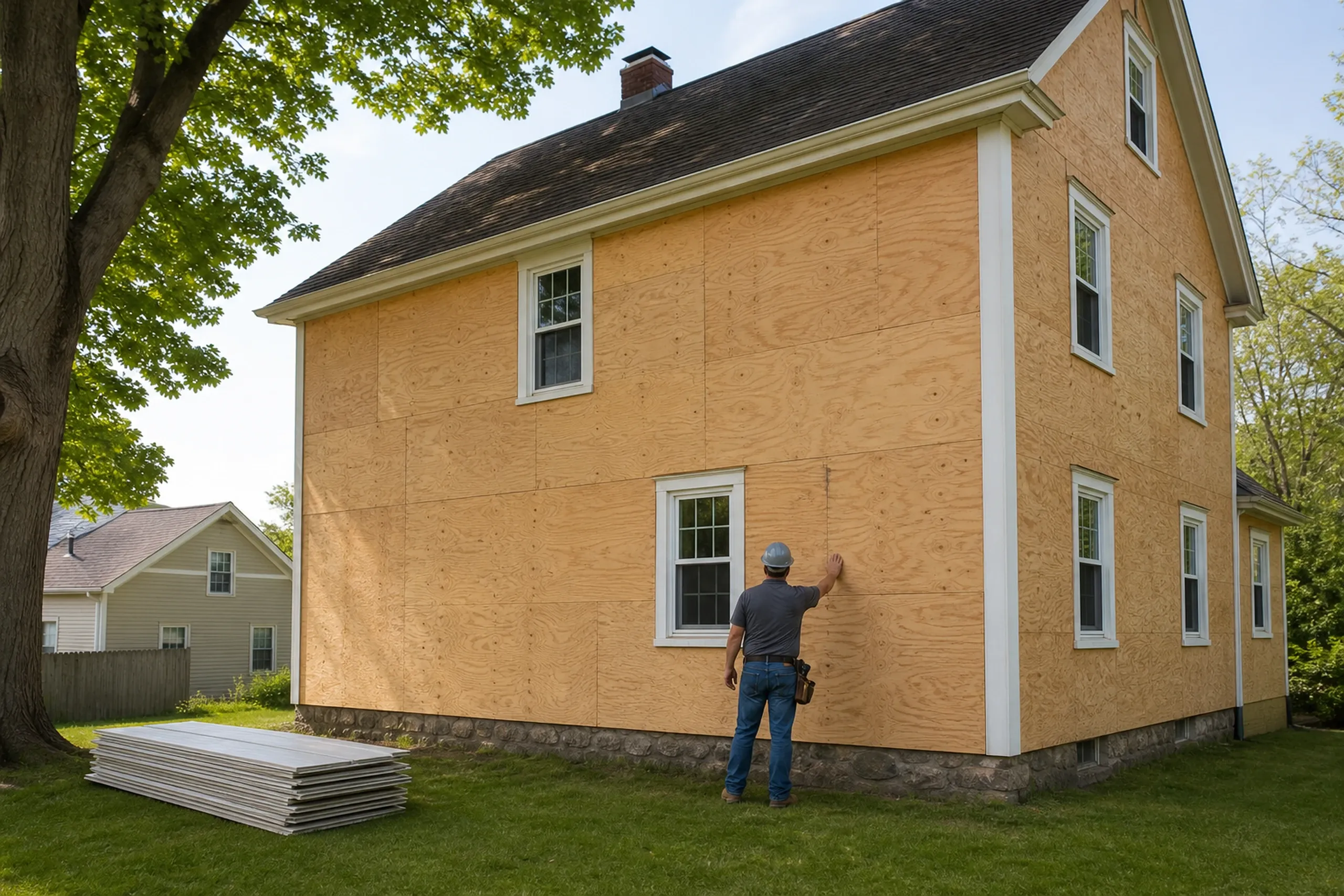
- Old siding stripped and hauled away, sheathing inspected, and soft or rotted sections replaced before any barrier goes on
- HardiePlank lap siding in ColorPlus factory colors or primed for paint, with panel or shingle accents on gables
- Water-resistive barrier, joint and Z-flashing, kick-out and roof-to-wall flashing, Hardie trim and soffit, and edge coater on every field-cut ColorPlus end
How Does a Hardie Siding Job Run, Start to Finish?
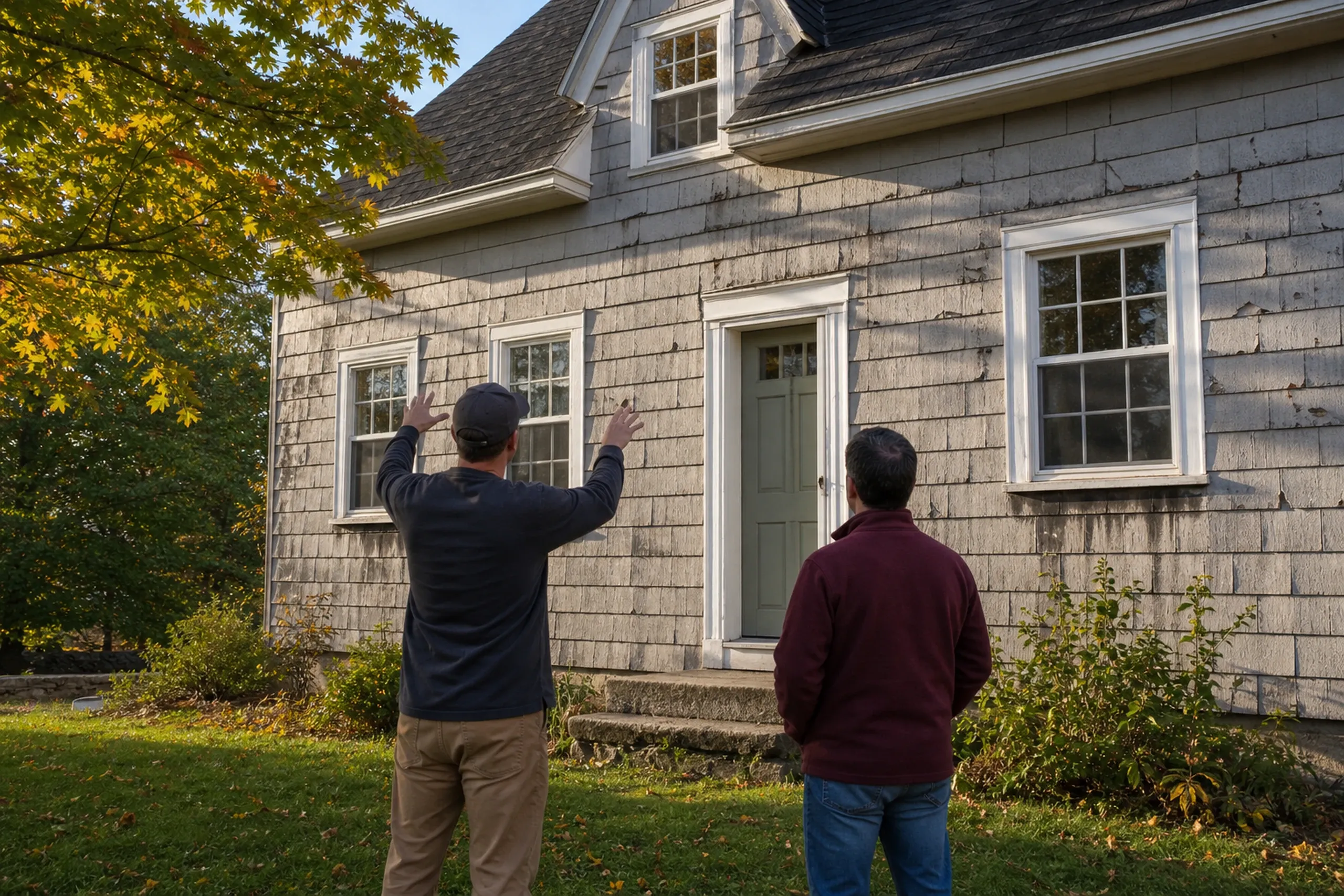
We read the wall and confirm the zone.
Before a number is written we press on the sills, window heads and corners, ask to open any spot that feels soft, and look up your ZIP code's Hardie zone.
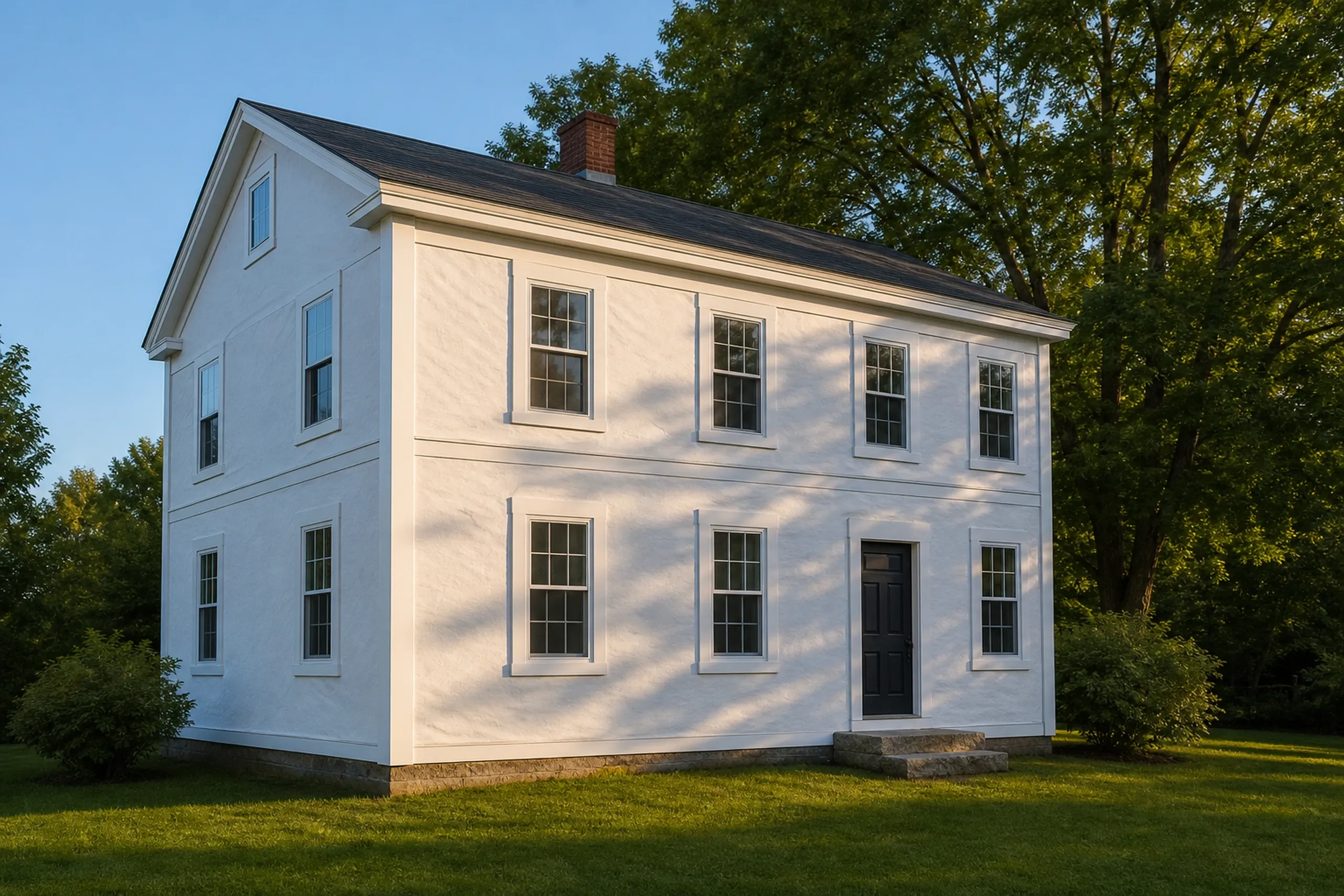
The number goes on paper, then a contract.
The price names the finish, trim, flashing and square count, and 10 MRSA §1487 requires a signed written contract on any home job over $3,000, with the down payment capped at one third.
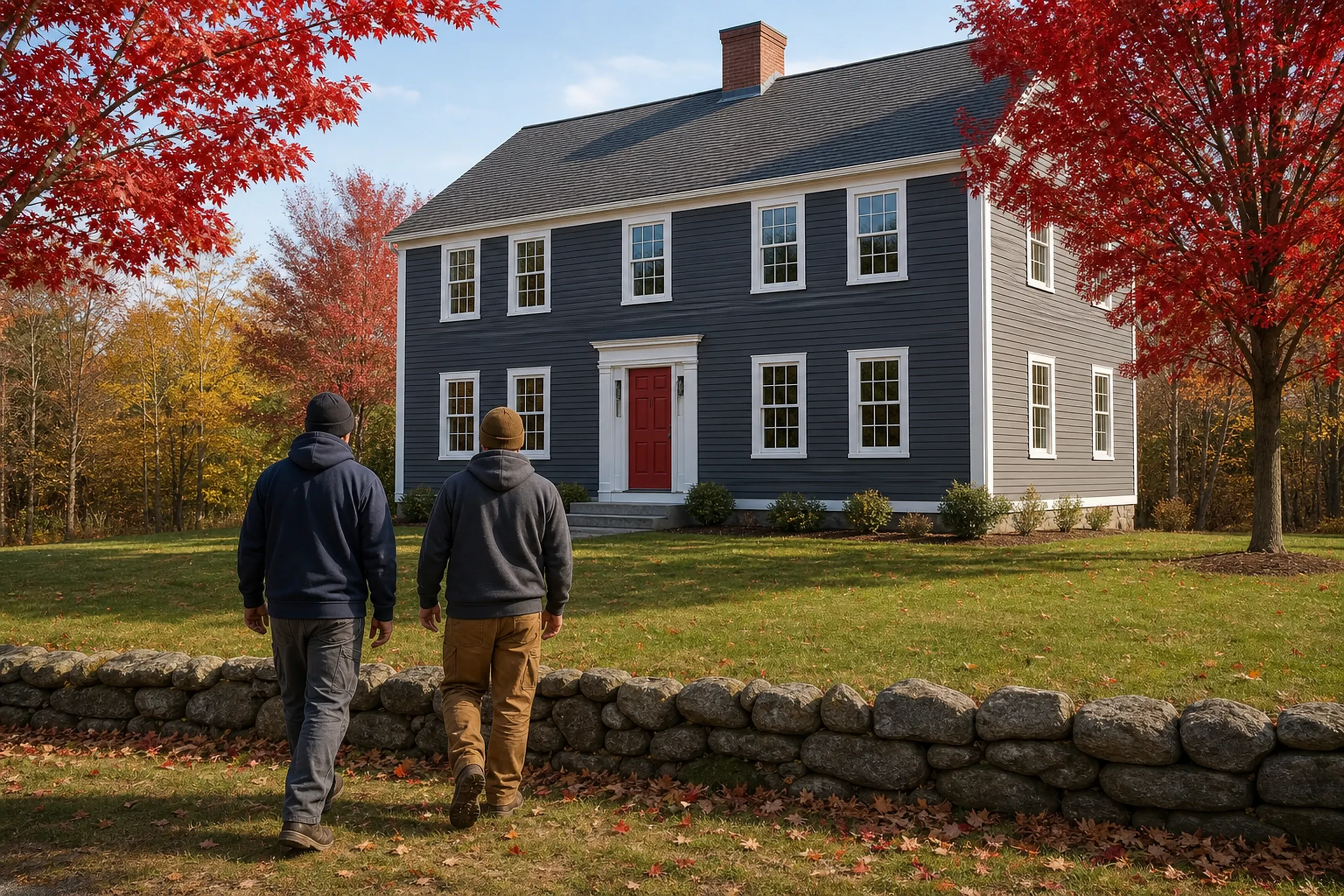
We close each side before opening the next.
Every face goes from bare sheathing to finished trim before another is stripped, so the house is never open all around. At the end we walk the house with you, touching up ColorPlus nicks smaller than a dime and swapping any worse-damaged plank for a new one.
When Is Hardie Siding the Right Choice?
Hardie siding is the right choice when you want a painted lap wall built for wet, freezing winters on a house you plan to keep. It fits triple-deckers, Victorians and colonials, and any face that takes rain sideways.
Hardie is the wrong choice over a wall nobody intends to open. Hardie's warranty excludes water infiltration and improperly built wall assemblies, so we will not hang planks over soft sheathing or windows that were never flashed.
Hardie can also be more siding than a house needs. A one-story ranch with deep overhangs and a firm budget is often better served by vinyl, a shingled cottage usually belongs in cedar, and a couple of cracked planks might be a job for siding repair.
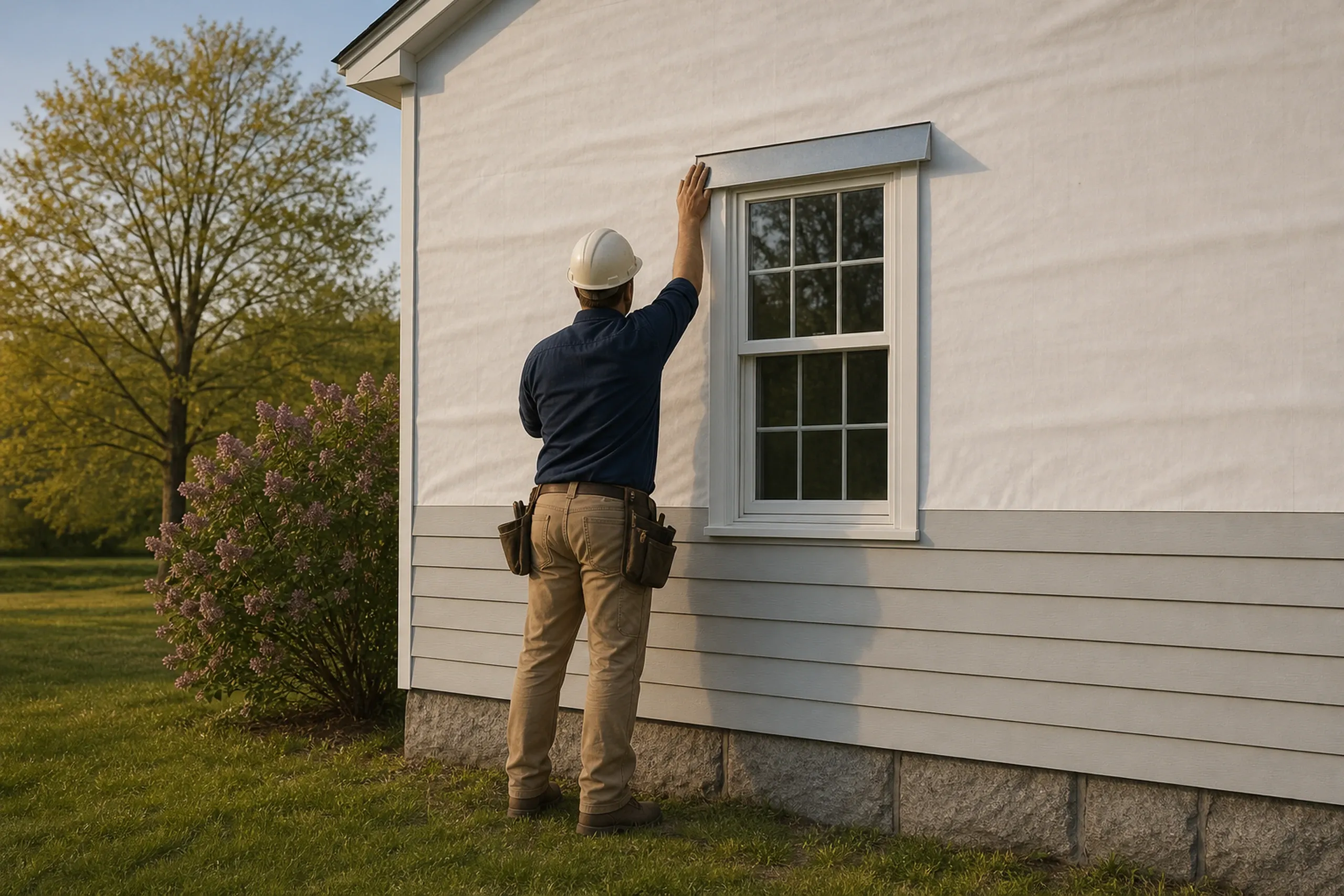
Who Should Choose Hardie, Where, and When?
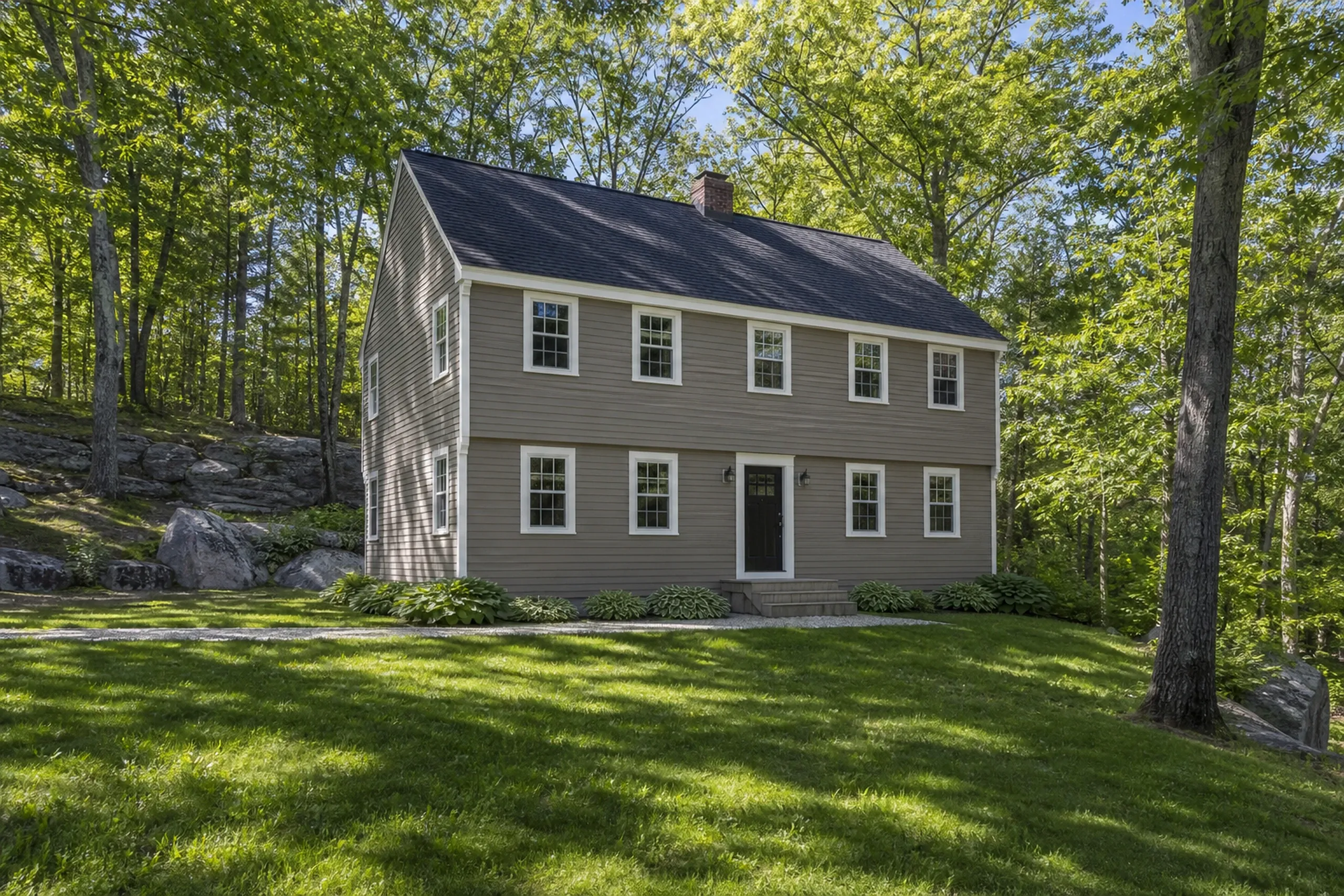
Who is Hardie siding a good fit for?
Hardie siding is a good fit for owners replacing worn clapboard, hardboard or tired vinyl who want a painted look on cement board. Owners of multi-family mill housing can put one factory color on every story without hiring a painter.
Where on the house can Hardie go?
Hardie can wrap every wall, a single elevation, or just the gables and dormers in panel or shingle pieces. A lone new side in ColorPlus seldom matches older painted walls, so we price the whole house alongside it.
When should a Hardie job be scheduled?
A Hardie job is best scheduled from spring through fall, away from deep winter, since every cut happens outdoors and primed boards need their field paint planned into the same stretch.
How Much Does Hardie Siding Cost?
Hardie siding costs $1,300 to $1,600 per square in the Lewiston-Auburn area, a square being 100 square feet of wall, with the tear-off, housewrap, flashing, trim and dumpster already in that figure. Read it as an average from many Hardie quotes, not a bid; what sits behind your old siding decides where your job lands.
| House size | James Hardie, installed |
|---|---|
| Small20 to 25 squares | $26,000 to $40,000 |
| Medium25 to 32 squares | $32,500 to $51,000 |
| Large32+ squares | from $41,500 |
Whole-house averages from many James Hardie quotes in the Lewiston-Auburn area, not a bid for any one house; rot or dead flashing found at tear-off can push a job past its row. James Hardie and HardiePlank are registered trademarks of James Hardie Technology Limited. We are an independent installer and are not affiliated with James Hardie.
What moves a Hardie price most after the board itself?
What the tear-off uncovers moves a Hardie price most once the board is chosen: soft sheathing, rotted sills or window flashing that never worked. Stories and staging rank next, then ColorPlus against primed, then the number of windows, corners and trim runs.
Can Hardie cover the old siding instead of a tear-off?
Hardie can cover the old siding instead of a tear-off, which cuts labor and disposal, so we price that option first over asbestos-cement shingle or lead-painted clapboard. The old wall must be flat, dry and firm enough to hold Hardie's fasteners, and any soft or stained section is stripped.
Why does Hardie cost more per square than vinyl?
Hardie costs more per square than vinyl because the board is heavy (2.31 pounds per square foot on Hardie's spec sheet), every cut is made outdoors with dust collection, and each butt joint gets its own flashing strip. Vinyl averages $800 to $1,000 per square here.
How Do You Get a Written Price on Hardie Siding?
A written Hardie siding price starts with a free estimate request, after which we visit, read the walls and put the finish and the price per square in writing. You pay nothing before a signed contract.